Organised Drug-Facilitated Sexual Assault (ODFSA) Paper
Organised Drug-Facilitated Sexual Assault is a disturbing form of hidden sexual offending and domestic abuse.
26th June, 2026
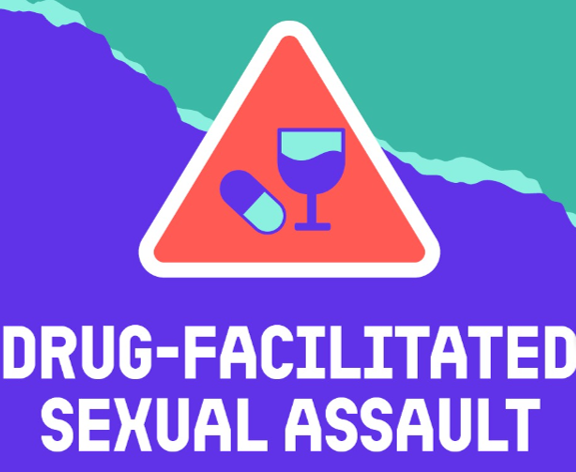
It involves the deliberate removal of a person’s capacity to consent in order to commit sexual offences, often by someone they know and trust, and in some cases by multiple connected offenders.
The National Police Chiefs' Council (NPCC) and National Crime Agency (NCA) Stakeholder Awareness Briefing on Organised Drug-Facilitated Sexual Assault (ODFSA) has been shared nationally to support agencies in recognising and responding to an emerging and serious form of sexual offending and domestic abuse.
ODFSA involves the deliberate incapacitation of victims through alcohol and/or drugs in order to commit sexual offences. Emerging intelligence indicates that offending may involve multiple connected perpetrators, including within intimate relationships and online networks. Victims may be unaware they have been harmed, and disclosures may be delayed, partial or uncertain.
What This Means for Our Services
Please take time to familiarise yourself with the attached briefing and consider how this type of offending may present in your area of work. Individuals may:
- Report unexplained memory loss, confusion, repeated illness or concerns about events they cannot fully recall.
- Be unsure whether an offence has occurred.
- Present with wider indicators of domestic abuse, coercive control or exploitation.
- Disclose concerns gradually over time rather than through a single conversation.
Expectations for Staff
- Remain vigilant to potential indicators and disclosures.
- Listen, believe and respond in a trauma-informed way.
- Follow safeguarding procedures where concerns arise.
- Ensure individuals are aware of available support, regardless of whether they wish to report to the police.
- Be prepared for an increase in disclosures as awareness of this issue grows.
The briefing document provides further information, key messages and support pathways. Please read and share within your teams as appropriate.
Thank you for your continued commitment to safeguarding and supporting vulnerable individuals.